Why puzzles make the best quick break
A puzzle is a small, fair fight. The rules are fixed, nothing is hidden and there is no timer chasing you unless you want one. That makes this shelf ideal for the odd five minutes in a queue or on a train: you can stop mid-grid and your brain will often find the next move while you are away. It is also our biggest shelf, with more than fifty games, so it helps to know which kind of puzzle suits your mood.
Three kinds of puzzle on this shelf
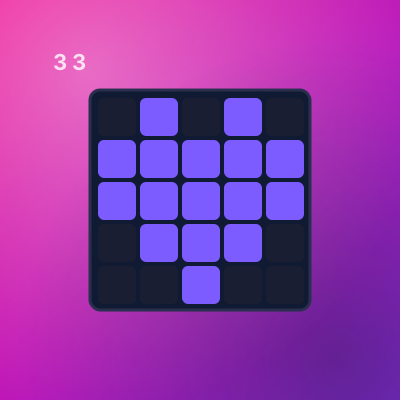
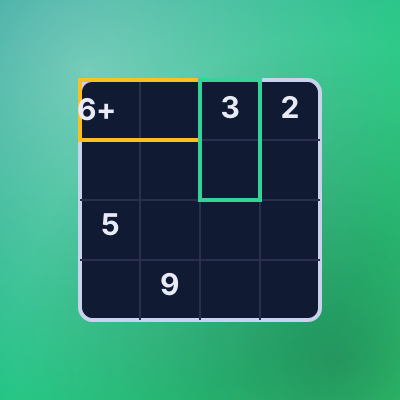
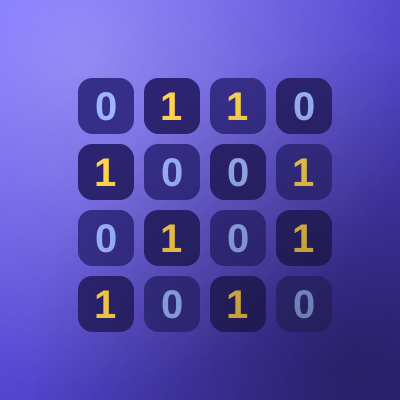
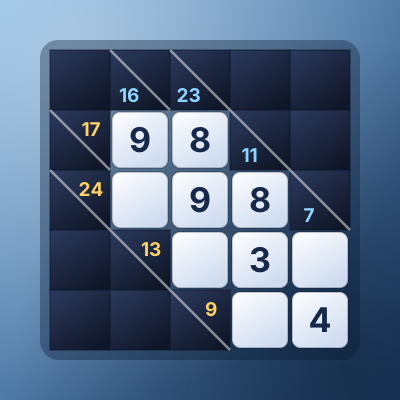
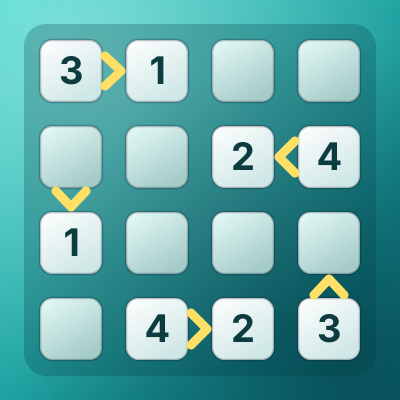
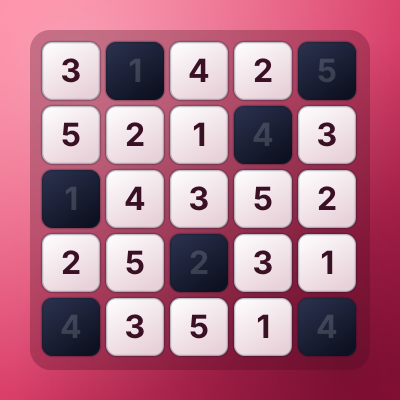
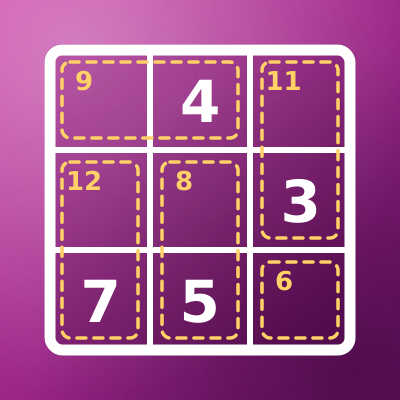
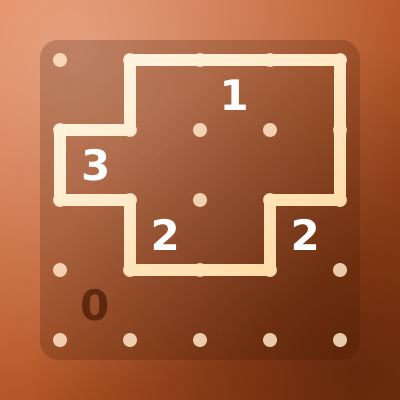
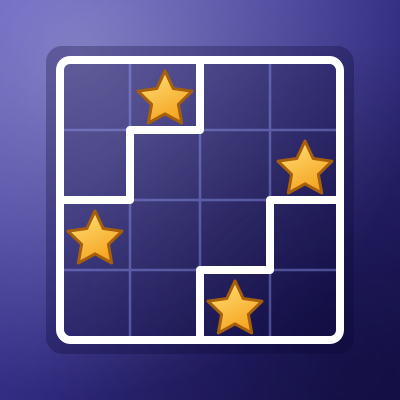
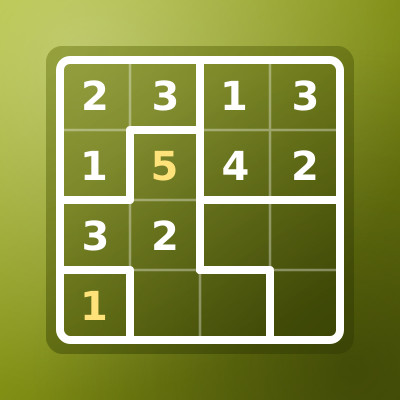
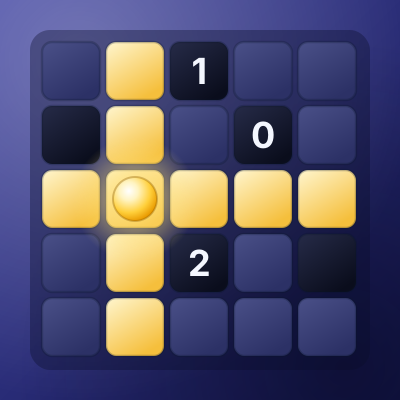
Pure logic. Sudoku, Kakuro, Killer Sudoku, Binary Grid and Star Battle all have exactly one answer that you can reach by reasoning alone. Nonogram is the same idea drawn in pixels, and Minesweeper turns it into a race against your own mistakes. If you like the feeling of a deduction clicking into place, start here.
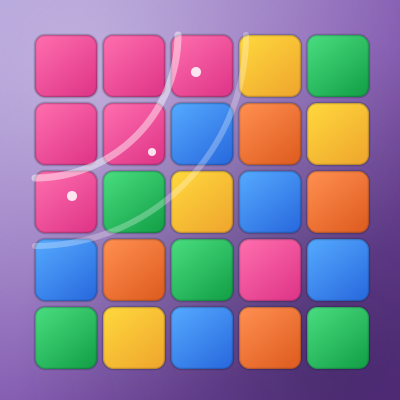
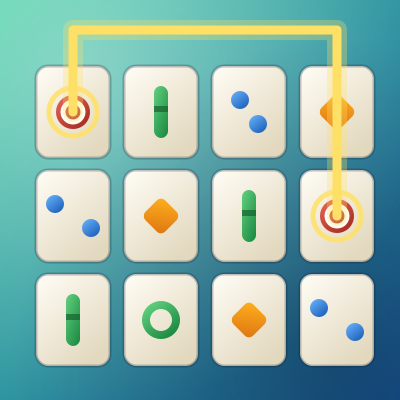
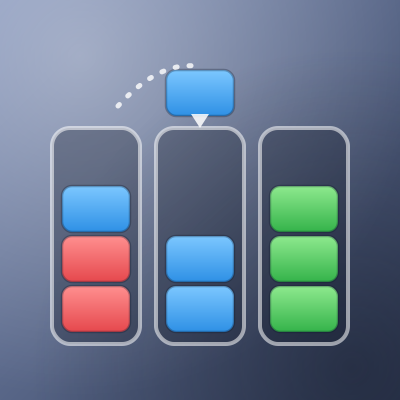
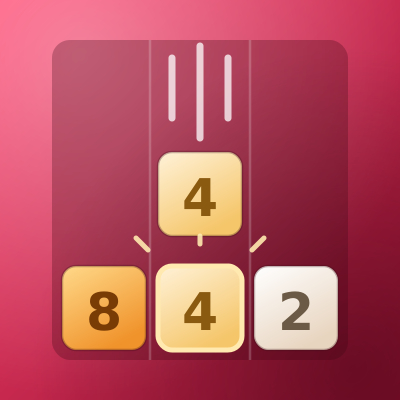
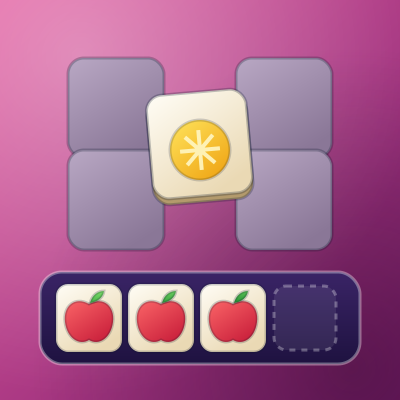
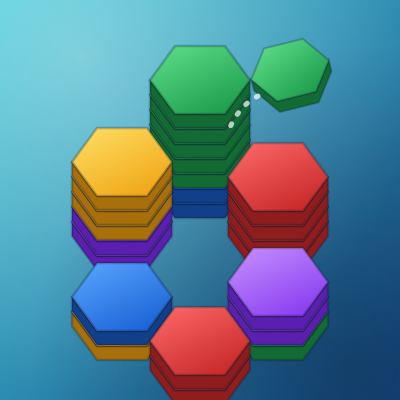
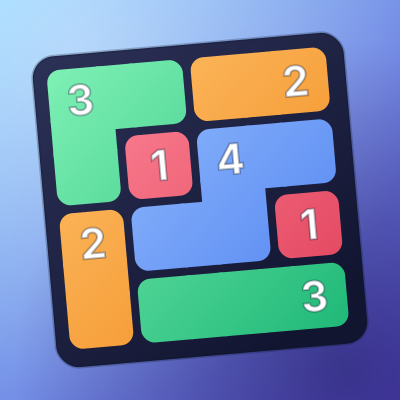
Merge and sort. 2048, Colour Pour, Hexa Sort and Ten Pairs are calmer. You can play them on autopilot, but the best scores come from planning a few moves ahead so the board never jams. Jewel Drop and Same Tiles add a little chain-reaction excitement.
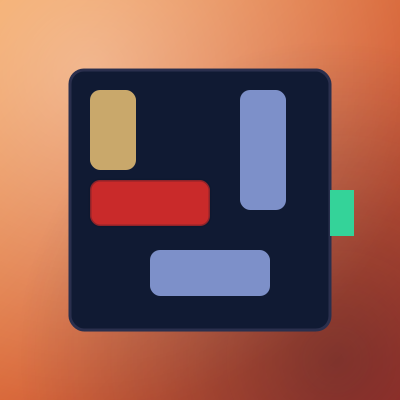
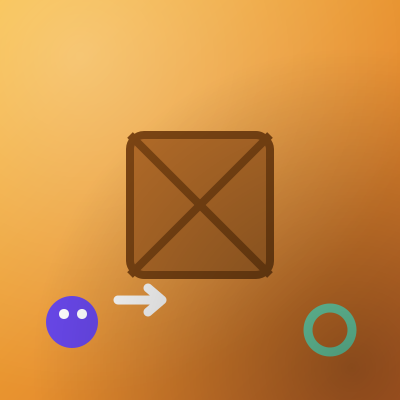
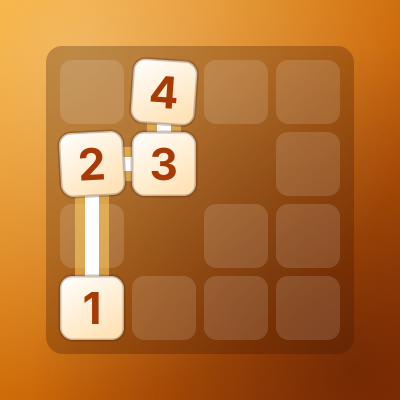
Move-planners. In Peg Jump, Light Switch, Crate Pusher and Traffic Escape, one move changes everything that follows. These are the puzzles that teach you to stop and think before you tap.
A good first five
- 2048 — learn the corner trick and you will see 1024 within a day.
- Sudoku on Easy with notes switched on.
- Jigsaw — the most relaxing thing on the site, with picture and piece-count choices.
- Pair Up — a memory test children are annoyingly good at.
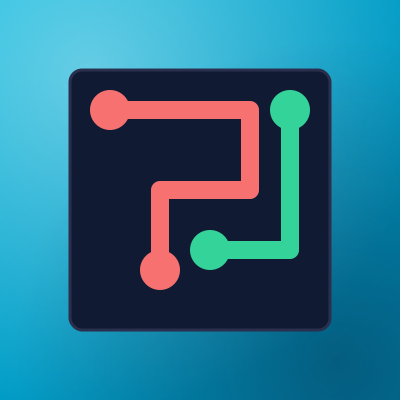
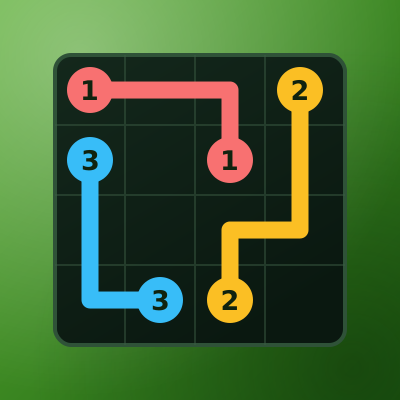
- Flow Connect — join the matching dots without crossing lines.
The most-played puzzles have a full strategy guide below the game, and every one has a quick rules box, so you never need to look anything up elsewhere.
More shelves: word games, arcade games, card games, board games, or browse our articles.